How Rapid Crest Automotive is Transforming Car Maintenance in the US
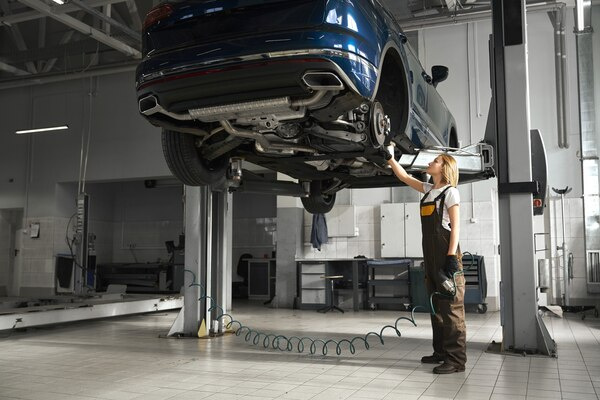
In most parts of the United States, car maintenance still feels like it’s stuck in the 1990s: long waits, vague diagnostics, surprise charges, and a fragmented experience between dealerships, independent shops, and mobile mechanics. Rapid Crest Automotive is positioning itself as a new kind of player in this space—one that treats car care more like a modern service industry and less like a necessary inconvenience.
Below is how Rapid Crest Automotive is reshaping the way Americans maintain their vehicles.
From Reactive Repairs to Preventive Care
Traditional car maintenance is largely reactive: drivers visit a shop when a warning light appears, something starts rattling, or a breakdown occurs. Rapid Crest is working to flip that model.
- Data-Driven Maintenance Schedules
Instead of relying only on generic manufacturer intervals, Rapid Crest uses vehicle data, driving conditions, and historical maintenance records to recommend service when it’s actually needed. A commuter in Arizona heat and stop‑and‑go traffic doesn’t wear components the same way as a highway driver in the Pacific Northwest; Rapid Crest’s approach reflects that difference.
- Proactive Alerts
Through app notifications, email, or SMS, customers receive early warnings about upcoming maintenance windows and potential issues. The objective is to cut down on unexpected failures—especially those that lead to expensive repairs or unsafe driving conditions.
By moving from “fix it when it breaks” to “keep it from breaking,” Rapid Crest is aligning car maintenance with preventive models used in healthcare and industrial equipment.
A Unified, Digital-First Experience
One of the biggest pain points for drivers is fragmentation: you book service by phone, keep paper receipts in the glovebox, and guess whether a recommendation is necessary or upselling. Rapid Crest leans into a digital-first, unified experience.
- End-to-End Online Journey
Customers can:- Get a preliminary quote
- Book or reschedule appointments
- Approve or decline recommended work
- Pay securely
all within a single digital interface. This reduces friction and removes the uncertainty of “call us for pricing.”
- Transparent Service Records
Every visit is logged in a digital service history. Customers see:- What was done
- Which parts were used
- Technician notes
- Photos or short videos of worn components
This creates a portable, verifiable maintenance record that’s useful for resale, warranty claims, or simply tracking total cost of ownership.
- Standardized Pricing and Menus
Rapid Crest is pushing toward transparent, menu-based pricing where common services have clear, consistent costs. This helps reduce one of the biggest trust gaps in the industry: uncertainty about what you’re paying and why.
Integrating Mobile, Shop, and Fleet Services
Car maintenance in the US is often bifurcated: you either go to a brick‑and‑mortar shop or use a mobile mechanic, each with its own limitations. Rapid Crest is working to blend these options into a single, coordinated network.
- Mobile Service at Scale
Many standard tasks—oil changes, battery replacements, brake pad swaps, basic diagnostics—can be done in a driveway or office parking lot. Rapid Crest deploys trained technicians with standardized, well-equipped vans to perform these services on-site, minimizing disruption to the customer’s day.
- Hub-and-Spoke Shop Network
For more complex jobs—engine work, advanced diagnostics, alignments—vehicles can be routed to partner facilities or dedicated service hubs. The goal is that, from the customer’s perspective, it still feels like one company: one booking system, one support channel, unified quality standards.
- Fleet and Business Solutions
Fleet operators, rideshare drivers, and delivery services need vehicles on the road, not waiting in service bays. Rapid Crest offers:- Batch maintenance for multiple vehicles
- After-hours or on-site fleet servicing
- Centralized reporting and billing
By streamlining maintenance for businesses, the company is influencing a large category of high-mileage vehicles that affect road safety and emissions more than the average personal car.
Elevating Trust Through Transparency
Consumer skepticism is one of the industry’s core problems. Rapid Crest is attacking this on multiple fronts.
- Visual Proof of Work
Technicians capture short videos or images of components that need attention—worn brake pads, cracked belts, leaking hoses—so customers can see the issue rather than simply take someone’s word for it.
- Clear Explanations in Plain Language
Recommendations come with concise explanations:- What the part does
- What happens if it fails
- How urgent the repair is
Items are often labeled as “urgent,” “soon,” or “monitor,” giving drivers a sense of prioritization and budget control.
- Standardized Inspection Protocols
By standardizing inspections and checklists, Rapid Crest reduces the variability from one tech to another. This helps ensure that two similar vehicles with similar conditions receive similar recommendations, which is crucial for building confidence over time.
Harnessing Technology for Smarter Diagnostics
Modern vehicles are computers on wheels, but not all service providers use that to the driver’s advantage. Rapid Crest aims to leverage technology more aggressively and intelligently.
- Advanced Diagnostics and Telemetry
In addition to OBD-II scans, Rapid Crest incorporates:- Historical fault code trends
- Driving pattern analysis (with opt-in data sharing)
- Known issue databases by make/model/year
This can shorten diagnostic time and improve accuracy, which directly lowers labor costs and reduces parts-swapping guesswork.
- AI-Assisted Recommendations
While certified technicians make the final calls, Rapid Crest uses machine learning to:- Flag patterns that suggest early component failure
- Cross-check recommended work against similar vehicles
- Identify when a suggested repair might be unnecessary or inconsistent with known patterns
This dual human–machine approach balances expertise with large-scale data insight.
- Continuous Improvement Loop
Every completed job feeds data back into the system:- Which repairs were approved
- How long they lasted
- Whether follow-up issues occurred
Over time, this refines service intervals, parts selection, and diagnostic trees, making the system more accurate for everyone.
Making Maintenance More Convenient for Modern Lifestyles
Rapid Crest’s transformation isn’t only about technology; it’s about fitting maintenance into how people actually live and work.
- Flexible Scheduling and On-Demand Slots
Instead of waiting weeks for a dealer appointment, customers can often secure:- Same-day or next-day mobile visits
- Early morning, evening, or weekend slots
This is particularly compelling for urban drivers and families with limited free time.
- Pickup and Delivery Options
Where mobile work isn’t feasible, Rapid Crest may offer pickup and drop-off:- A driver collects the vehicle
- Work is performed at a facility
- The vehicle is returned to home or office
This minimizes time spent in waiting rooms and adds a concierge-like dimension to a traditionally low‑touch industry.
- Location-Aware Services
In dense urban areas, parking and logistics are often the biggest barriers to service. By dynamically routing mobile technicians and coordinating with parking resources where possible, Rapid Crest is working to make maintenance practical even for drivers without private driveways or garages.
Raising Industry Standards and Expectations
If Rapid Crest’s model scales, it’s likely to influence expectations across the US car maintenance landscape.
- Pressure on Legacy Providers
Dealerships and traditional shops may be prompted to:- Improve transparency and digital capabilities
- Offer more standardized pricing
- Integrate mobile or pickup options
As consumers experience a more streamlined alternative, tolerance for opaque, inconvenient models will decline.
- Improved Safety and Reliability on the Road
Better adherence to maintenance schedules and easier access to service can reduce:- Breakdowns on highways
- Accidents linked to neglected maintenance (e.g., worn brakes, bald tires)
- Emissions from poorly maintained engines
At scale, this has public safety and environmental implications beyond individual drivers.
- A New Kind of Relationship With Vehicles
Instead of seeing maintenance as sporadic, stressful events, drivers can treat it as a manageable, predictable, largely automated process—much like software updates or household utility management. That psychological shift may be one of the most enduring changes Rapid Crest helps create.
The Road Ahead
The US car maintenance market is massive, deeply entrenched, and regionally fragmented. Transforming it is not a matter of a few app features; it requires consistent execution, strong technician networks, reliable partnerships, and sustained investment in technology and training.
Rapid Crest Automotive’s approach—proactive care, digital integration, transparency, mobile flexibility, and data-driven diagnostics—directly addresses many of the frustrations that drivers have accepted as inevitable for decades. If the company can maintain service quality while scaling across cities and states, it has the potential not just to grow its own footprint, but to redefine what Americans expect when it’s time to care for their cars.