Top 5 Tips for Extending the Life of Your Vehicle
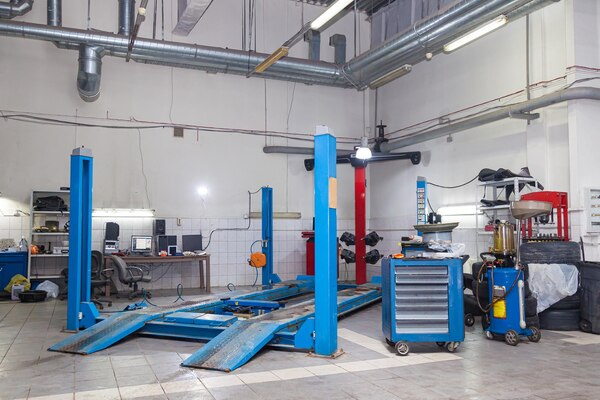
Regular maintenance and a few smart habits can dramatically extend the life of your vehicle and save you money over time. Here are five of the most effective, practical tips.
1. Stay Consistent with Oil Changes and Fluid Checks
Engine oil is your car’s lifeblood. Running on old, dirty, or low oil accelerates engine wear and can lead to costly damage.
- Follow the oil change interval in your owner’s manual (it may be time-based or mileage-based, and can differ for city vs. highway driving).
- Use the recommended oil grade; modern engines are designed for specific viscosities.
- Regularly check and top off other key fluids: coolant, transmission fluid, brake fluid, and power steering fluid.
- Inspect for leaks under the car or around the engine bay—catching a small leak early can prevent a major failure later.
Consistent fluid maintenance reduces friction, heat, and corrosion, helping vital components last much longer.
2. Drive Smoothly and Avoid Aggressive Habits
Your driving style has a huge impact on wear and tear.
- Accelerate gently; avoid flooring the gas unless necessary.
- Brake progressively instead of frequent hard stops, which wear out brake pads, rotors, and tires faster.
- Avoid rapid lane changes and high-speed cornering that stress suspension and steering components.
- Let the engine warm up by driving gently for the first few minutes rather than extended idling or instant hard acceleration.
Smooth, predictable driving reduces stress on the entire drivetrain, improves fuel economy, and helps your vehicle age more slowly.
3. Take Care of Your Tires and Alignment
Tires are your only contact with the road, and they directly affect safety, comfort, and component wear.
- Maintain proper tire pressure, checking at least once a month and before long trips. Incorrect pressure can cause uneven wear, reduced fuel efficiency, and poor handling.
- Rotate tires at the intervals recommended by your manufacturer to promote even wear.
- Get your wheels aligned if you notice pulling to one side, uneven tread wear, or a crooked steering wheel when driving straight.
- Replace tires when tread depth is low; driving on worn tires forces suspension and braking systems to work harder and increases the risk of accidents.
Well-maintained tires reduce strain on other parts of the car and help it run efficiently for longer.
4. Follow the Manufacturer’s Service Schedule
Your owner’s manual is a roadmap for keeping the vehicle healthy over the long term.
- Adhere to recommended service intervals for items like timing belts/chains, spark plugs, filters, and brake components.
- Don’t ignore “inspection” items; these checks often catch small issues before they become expensive failures.
- Address dashboard warning lights promptly—especially check engine, oil pressure, temperature, and ABS lights.
- Keep records of all services performed. This helps track what’s been done, supports warranty claims, and boosts resale value.
Preventive maintenance is almost always cheaper than repairs after something breaks.
5. Protect Your Vehicle’s Exterior and Interior
Appearance isn’t just cosmetic; protecting surfaces helps the entire vehicle last longer.
- Wash your car regularly to remove dirt, salt, and road grime that can cause rust, especially in areas with harsh winters or near the ocean.
- Apply wax or sealant a few times a year to protect the paint from UV rays and contaminants.
- Clean and treat rubber seals around doors and windows to prevent cracking and leaks.
- Keep the interior clean; vacuuming carpets and cleaning spills reduces moisture, odors, and wear. Use sunshades and, if possible, park in the shade or a garage to protect plastics, upholstery, and electronics from heat and UV damage.
By preserving the body and cabin, you slow down age-related deterioration and keep the vehicle more comfortable and valuable.
Focusing on these five areas—fluids, driving habits, tires, scheduled maintenance, and overall protection—will significantly extend the life of your vehicle. A bit of consistent care now can add years of reliable service and reduce the likelihood of major, expensive repairs.